
01
Verify the source
Check the website and app details. Avoid unsolicited installers and shortened links.
A safer installation starts with verificationThoughtful wallet habits start with knowing what you own, what you sign, and how you recover. Explore a focused product preview and clear guidance for everyday self-custody.
Explore the setup guide ↗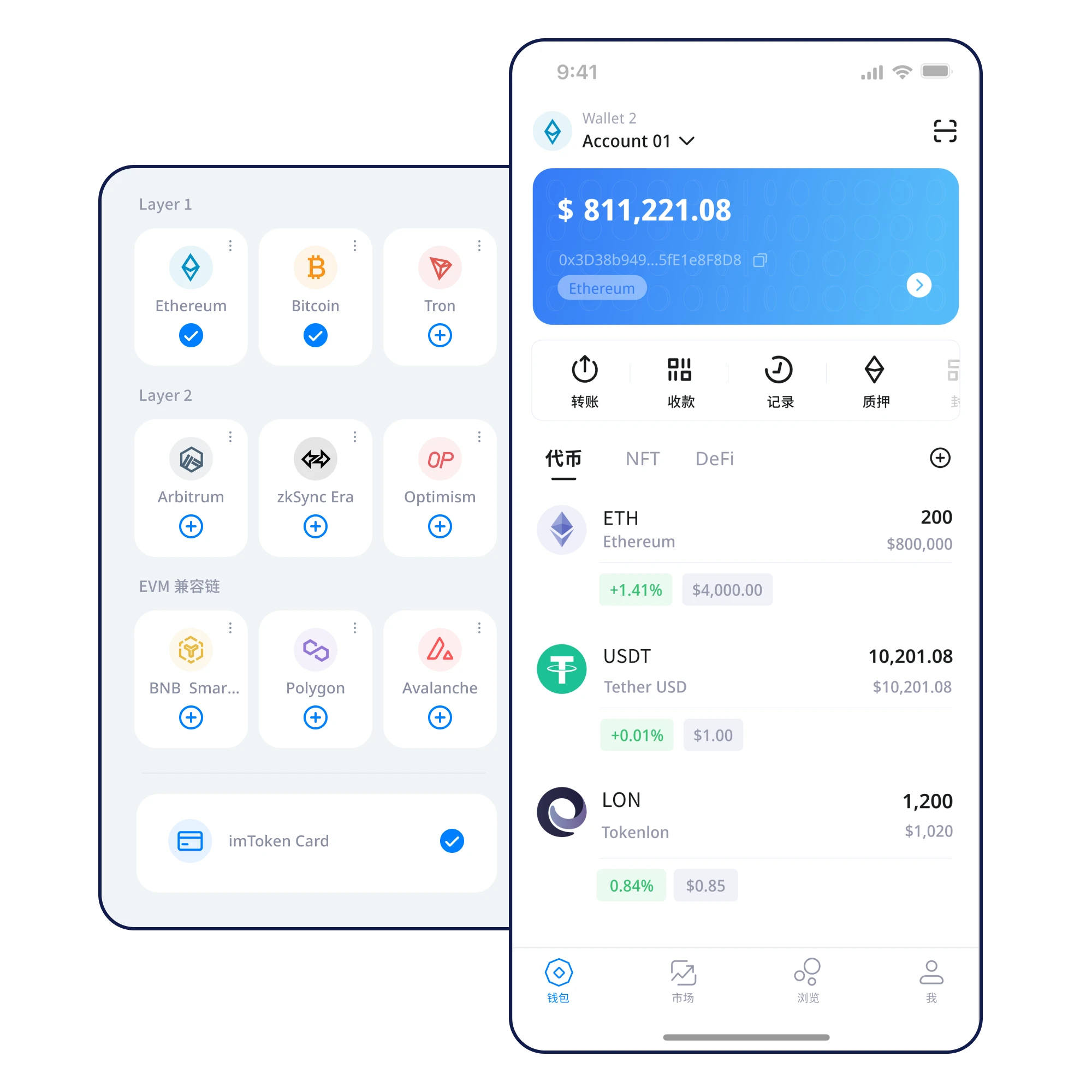
This is a static interface preview, not live balances or a connected wallet.
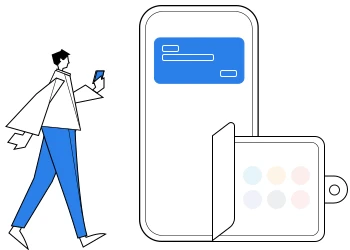
Differentiate tokens from their networks, then verify contract details and transaction status.
Know which network your assets useMove through setup, backup, and verification before irreversible actions.
Check the website and app details. Avoid unsolicited installers and shortened links.
A safer installation starts with verificationUse a trusted device and understand the difference between new and imported wallets.
Start with the right setup habitsWrite every word in order privately. Never screenshot or send them to anyone.
Your recovery starts with a careful backupCheck spelling, sequence, and storage so you can recover if a device fails.
Recover access on a trusted deviceMatch each token to its network and verify contract details when needed.
Know which network your assets useCheck address, network, value, fees, and unexpected permission requests.
A deliberate check before every transferLocal key custody helps define control, but compromised devices and unintended approvals remain risks. Good backups and transaction checks still matter.
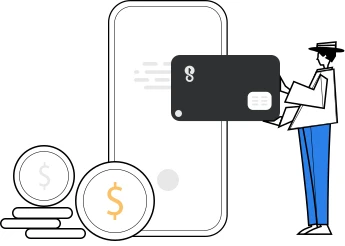
Perform recovery only on a trusted device using a verified app. Never enter your recovery phrase into a website or support form.
Blockchain transfers are often irreversible. Confirm network compatibility, recipient address, amount, and fees; consider a small test when appropriate.
Good security comes from repeatable actions, not absolute promises.
Keep recovery details away from support impostors and unknown websites.
Review networks, addresses, amounts, and approval scope.
Verify your backups before device changes or failures.
Browse by task and refer to safety checks when something looks unfamiliar.
Verify the app and device first. Before receiving assets, make sure your credentials are backed up and you understand how recovery works.
Read guide ↗Tokens with the same ticker can exist on different networks. Check the chain and contract information rather than trusting a name or icon alone.
Read guide ↗Blockchain transfers are often irreversible. Confirm network compatibility, recipient address, amount, and fees; consider a small test when appropriate.
Read guide ↗Do not treat an installed app as your only backup. Verify access and account details on the new device before clearing the old one.
Read guide ↗Lookalike downloads, phishing links, recovery phrase requests, and network mistakes deserve attention.
Pause before trusting a linkSelf-custody means the user controls crucial credentials. Verify the actual app behavior, and never share your recovery phrase with anyone.
On-chain balance updates and transaction broadcasts require connectivity. Recording a recovery phrase offline does not.
Record the words in order and keep them offline. Avoid screenshots, plain-text cloud notes, and messaging apps.
A private key signs for an account; a recovery phrase can restore related accounts. Both must be protected.
Verify the source, install carefully, and back up before managing assets.
⬇ Download NowVerify the installation source. Never reveal your recovery phrase.